29 Jun 2026
Regulatory Mechanisms Controlling Access to Premium Tables and Loyalty Levels in Mobile Gaming Hubs
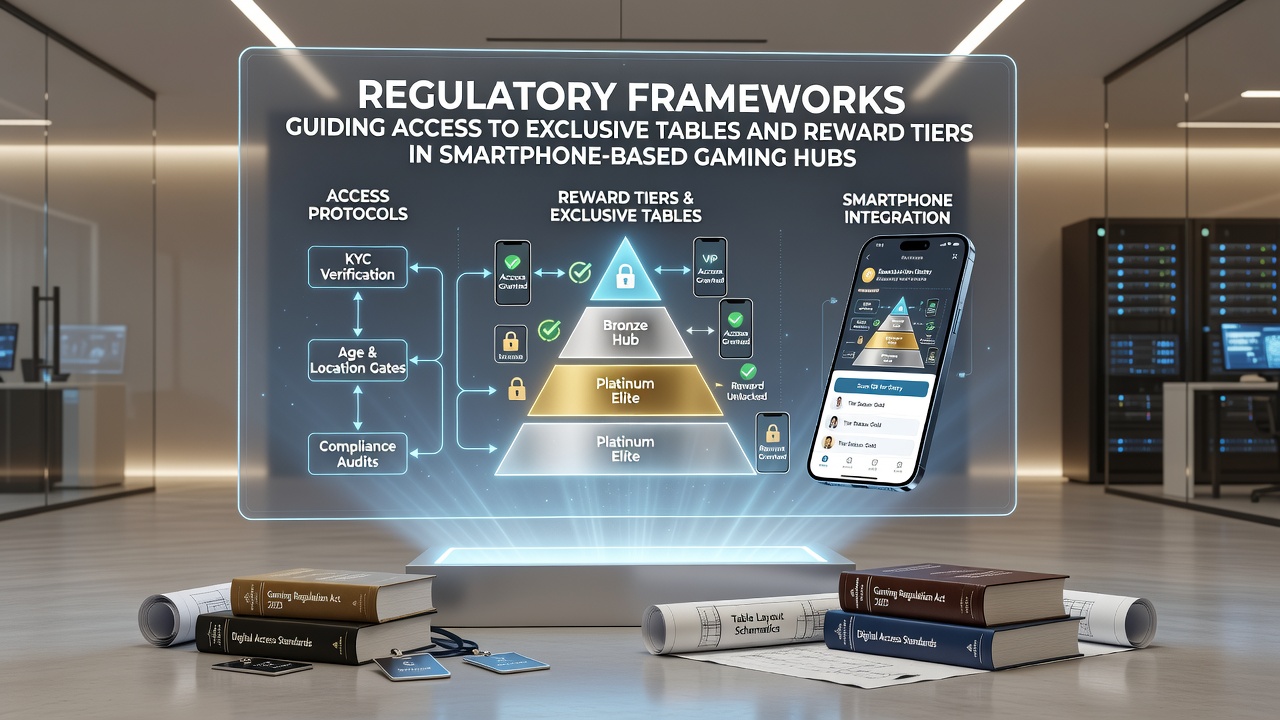
Regulatory bodies across multiple jurisdictions establish clear guidelines that determine how players gain entry to exclusive tables and advance through reward tiers within smartphone-based gaming platforms, and these rules shape everything from initial registration to sustained participation in high-stakes environments.
Operators must comply with licensing conditions that specify eligibility criteria for VIP sections, which often include verified identity checks, minimum deposit thresholds, and ongoing monitoring for compliance with anti-money laundering standards. Data from the European Gaming and Betting Association shows that such frameworks help maintain consistent player protections while allowing controlled access to premium features.
Licensing Standards and Tiered Participation Rules
Jurisdictions require operators to submit detailed operational plans before they receive approval to offer reward programs, and these plans outline how mobile applications will segment users into different loyalty categories based on activity metrics like wagering volume and session frequency. Authorities review these submissions to ensure that progression systems do not encourage excessive play, which leads to mandatory cooling-off periods integrated directly into app interfaces.
Verification processes form the foundation of access control, so smartphone users encounter identity confirmation steps before they can view or join private tables, and regulators mandate that these steps occur through secure digital channels that align with broader financial transaction oversight. Observers note that platforms operating under Malta Gaming Authority oversight have implemented tiered authentication layers that scale with reward level, requiring additional documentation as players move upward.
Mobile-Specific Compliance Measures
Smartphone platforms present unique challenges for regulators because location tracking and device-based geofencing must work alongside traditional age and identity verification, which creates layered requirements that operators address through integrated software solutions. Rules effective in several regions by June 2026 will expand these obligations to include real-time behavioral analytics that flag unusual patterns before they affect tier advancement.
Payment processing regulations intersect directly with reward structures, since many frameworks limit the types of funding methods that can contribute to loyalty point accumulation, and this restriction prevents circumvention of deposit caps designed to promote responsible engagement. Industry reports indicate that such measures reduce discrepancies between advertised benefits and actual player experiences across different mobile ecosystems.
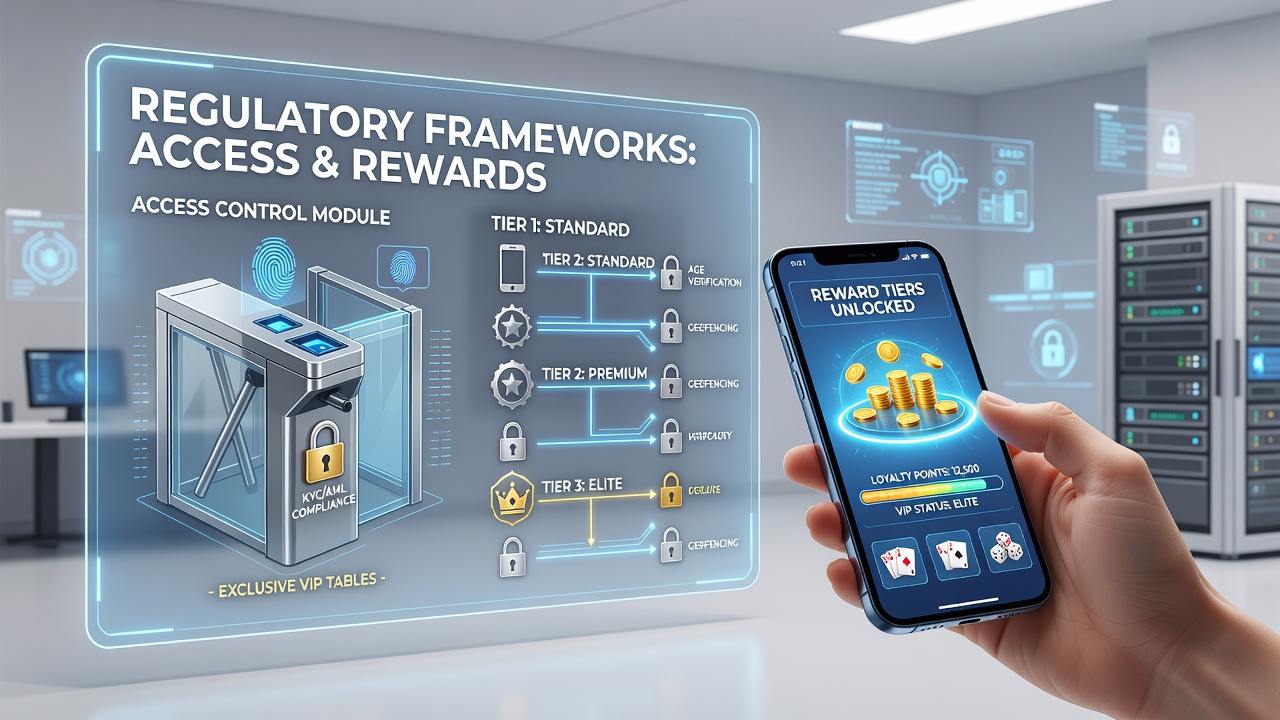
Cross-Border Variations in Reward Governance
European frameworks emphasize transparency in how algorithms calculate tier progression, so operators must disclose the mathematical models that determine eligibility for private dealer tables and bonus multipliers. In contrast, North American state-level authorities focus more on audit trails that document every reward distribution, which creates additional record-keeping demands for mobile operators serving multiple regions simultaneously.
Asia-Pacific regulators have introduced requirements for independent third-party audits of loyalty systems, and these reviews assess whether access barriers to exclusive content remain consistent with stated terms. Those who study these patterns find that platforms adapt their global applications by maintaining region-specific modules that activate based on user location data.
Enforcement Mechanisms and Reporting Obligations
Regulators impose regular reporting cycles on operators, which means mobile gaming hubs submit anonymized data sets showing tier distribution and table access frequency at quarterly intervals. Non-compliance triggers graduated penalties that range from feature restrictions to license suspension, and these consequences directly affect the availability of premium content for all users within affected jurisdictions.
Collaboration between regulatory agencies and technology providers continues to evolve, with new standards emerging around secure data sharing protocols that protect player information while enabling verification of reward eligibility. Research from academic institutions such as the University of Nevada, Las Vegas highlights how these partnerships improve detection of unauthorized access attempts across smartphone networks.
Conclusion
Regulatory frameworks continue to define the boundaries of access to exclusive tables and reward tiers in smartphone gaming environments through licensing conditions, verification protocols, and ongoing oversight that adapts to technological change. These structures ensure that progression systems operate within defined parameters across diverse international markets.