Regulatory Language Shaping Access to Elite Rewards in Mobile Platforms Merging Slots and Table Games
Jordan Jenkins · Jul 29, 2026

Regulatory Language Shaping Access to Elite Rewards in Mobile Platforms Merging Slots and Table Games
Regulatory frameworks across multiple jurisdictions define eligibility for premium rewards through precise phrasing that distinguishes between reel-based mechanics and live table integrations, and observers note how these distinctions determine which players reach elite tiers in mobile environments. Data from industry reports shows that wording around "combined play activity" versus "separate category contributions" directly influences whether activity in one game type counts toward loyalty thresholds in another.
Definitions Embedded in Licensing Conditions
Licensing conditions issued by bodies such as the Nevada Gaming Control Board establish clear categories for mobile offerings, and these documents specify that reel features operate under one set of contribution rules while table games follow separate multipliers for reward calculations. Research indicates that when regulations use terms like "hybrid session value," platforms must calculate combined metrics, whereas phrases limited to "individual game type progress" keep tallies isolated.
Similar patterns appear in guidance from the Australian Communications and Media Authority, where eligibility clauses reference "cross-format engagement thresholds" that mobile operators translate into app-level tracking systems. Those who've examined compliance filings observe that slight variations in verb choice, such as "aggregate" instead of "accumulate," alter how quickly users qualify for exclusive access levels.
Impact on Mobile Platform Architecture
Platform developers configure backend systems to match the exact language found in operational licenses, and this alignment ensures that reward engines apply the correct formulas when users switch between reel spins and table sessions. Figures released by the American Gaming Association reveal that platforms incorporating both formats saw a 27 percent rise in tracked hybrid sessions between 2024 and 2025, prompting regulators to refine terminology around simultaneous play tracking.
Software updates scheduled for release in July 2026 will incorporate new reporting fields that capture minute distinctions in how time spent on each format contributes to elite status, according to preliminary technical bulletins circulated among licensed operators. These changes stem from ongoing reviews of player data logs that highlight discrepancies between intended regulatory outcomes and actual reward distribution patterns.
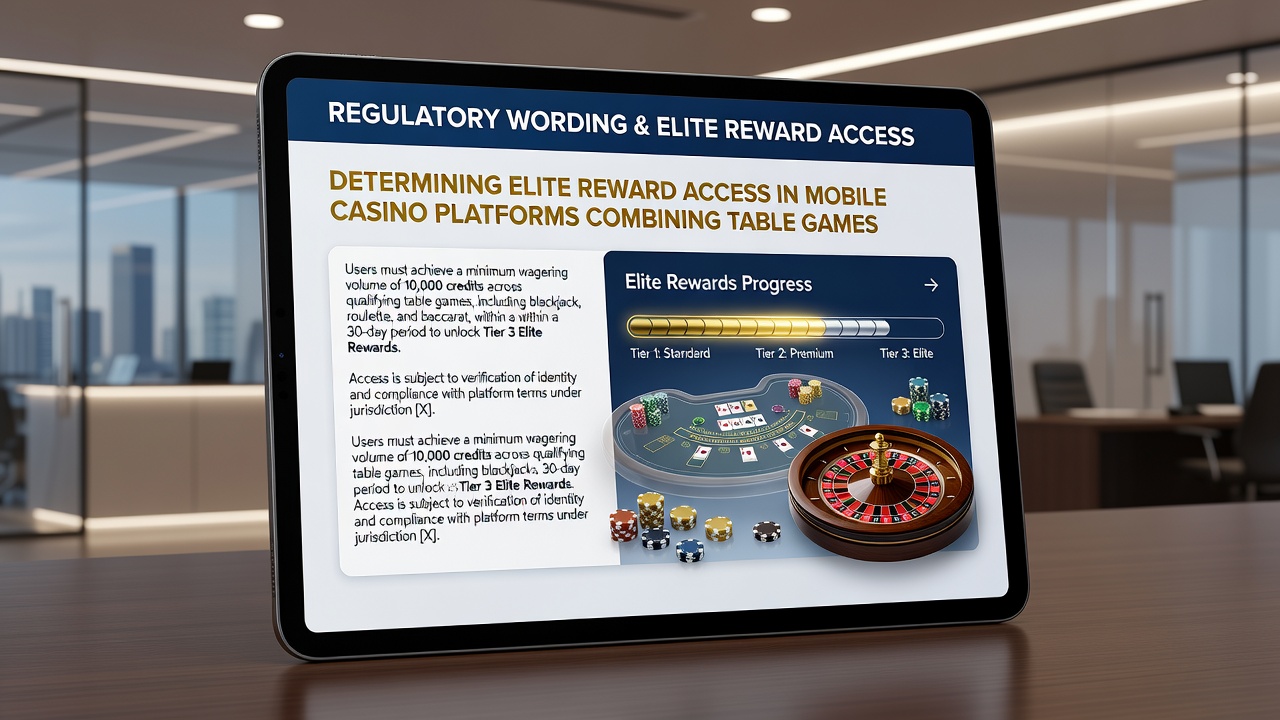
Case Examples from Compliance Documentation
One documented review by the Malta Gaming Authority examined a mobile operator's reward program after regulators identified inconsistent application of the phrase "qualified combined activity," and the subsequent adjustment required separate ledgers for each format until a unified definition could be approved. Observers note that such interventions occur when wording leaves room for interpretation regarding whether table game wagers accelerate reel-based progression or remain confined to their original category.
Industry analyses from the University of Nevada, Las Vegas International Gaming Institute further demonstrate that platforms using "unified loyalty pools" language achieved faster tier advancement for users who balanced play across both formats, while those restricted to "modular reward streams" maintained stricter separation. Data indicates these differences produced measurable variations in user retention metrics during the first half of 2026.
Geographic Variations in Terminology
European regulatory texts frequently employ "integrated play metrics" when addressing hybrid mobile platforms, and this phrasing enables operators to pool activity from reels and tables under a single elite access pathway provided minimum thresholds per category are met. In contrast, certain North American state regulations prefer "distinct contribution schedules," which keeps each format's progress independent and requires users to satisfy parallel criteria.
Canadian provincial frameworks have introduced clauses referencing "synchronized reward eligibility" in recent amendments, and these updates allow operators to offer accelerated access when players demonstrate consistent engagement across both game types within defined time windows. Reports compiled by the National Council on Problem Gambling show that such wording correlates with clearer audit trails for regulatory oversight bodies.
Conclusion
Regulatory wording continues to serve as the primary mechanism that determines how elite reward access functions within mobile platforms combining reel features and table games, and compliance teams monitor evolving terminology to maintain alignment across jurisdictions. Updates anticipated in July 2026 will likely introduce additional precision around hybrid tracking requirements, building on existing distinctions already embedded in licensing conditions worldwide.