27 Jun 2026
Payment Pathways Unlocking Higher Tiers in Reel Spin Events and Host-Led Interactions

Transaction routes in digital gaming environments connect deposit methods directly to loyalty structures that determine access to elevated player tiers, and these connections operate through measurable point accumulation systems tied to specific payment channels in spinning reel contests alongside interactive host sessions.
Payment processors such as e-wallets and bank transfers register activity that feeds into tier progression algorithms used by platform operators, whereas card-based transactions often route through verification layers that delay point crediting compared with instant digital wallet options, and data from regulatory monitoring bodies illustrates how these timing differences influence overall status elevation rates across user accounts.
Core Mechanics of Transaction Routing
Platform systems assign loyalty points based on deposit volume and frequency, yet the specific route a transaction follows determines whether points apply immediately or after settlement periods that can extend from hours to several days, and operators configure these rules through backend integrations with payment gateways that track each method's processing speed and fee structure.
Researchers at the University of Nevada Reno have documented how faster-settling routes correlate with higher retention in tiered programs, because players who clear deposits through instant channels accumulate qualifying activity before promotional windows close, while slower routes force participants to wait and sometimes miss eligibility cutoffs for status upgrades.
Spinning Reel Contest Pathways
Reel-based contests incorporate transaction data into spin multiplier calculations where elevated status grants access to dedicated contest brackets, and deposits routed through premium e-wallet services trigger automatic entry into higher-stakes rounds because the system recognizes the payment source as a verified high-value channel that aligns with internal risk scoring models.
June 2026 marks the scheduled rollout of updated interface standards across several major platforms that will standardize transaction tagging for contest qualification, allowing operators to route deposits more precisely into status-linked events without manual intervention from support teams.
Interactive Host Session Elevations
Live host sessions link player status to seating priority and interaction frequency through payment histories that platforms log in real time, so transactions completed via certain regional banking networks receive priority weighting that advances users into exclusive session rooms faster than standard methods, and this weighting stems from pre-negotiated agreements between operators and financial institutions that reward lower-fee or higher-volume channels.
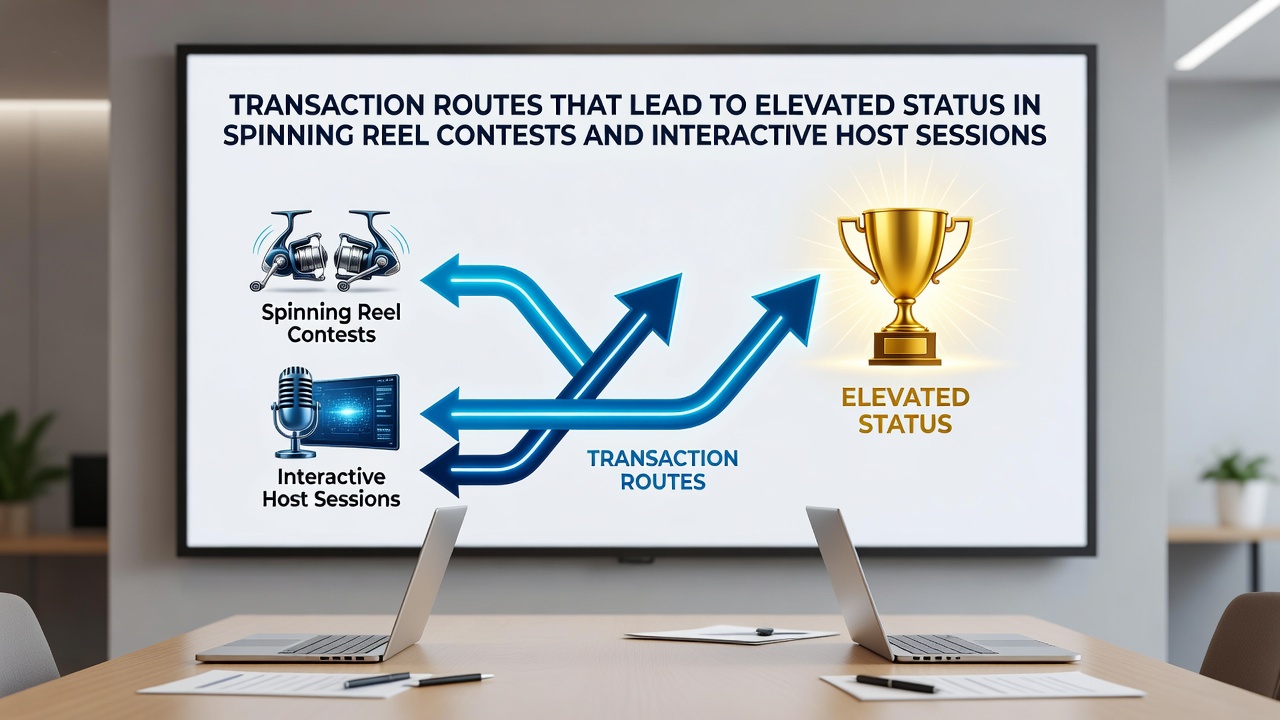
Observers note that account verification completed during the deposit process itself shortens the path to elevated status because verified identities allow immediate point application, whereas unverified routes require additional documentation steps that postpone tier recognition until the next reporting cycle.
Comparative Route Analysis
Bank wire transfers typically follow longer verification chains that include manual review stages, yet they often carry higher base point multipliers once approved because platforms value the stability of these larger single transactions, while cryptocurrency routes provide near-instant confirmation paired with variable multipliers that depend on network congestion levels at the moment of transfer.
Industry reports from the Nevada Gaming Control Board track how these route-specific multipliers affect aggregate player movement across tiers, revealing consistent patterns where instant routes produce steadier progression curves than batch-processed alternatives that cluster activity around month-end reporting periods.
Those who monitor platform updates recognize that routing preferences can shift when new payment partnerships form, since operators renegotiate terms that alter point allocations attached to particular methods without changing the underlying deposit mechanics.
Conclusion
Transaction routes function as structured channels that determine the pace and extent of status elevation available in spinning reel contests and interactive host sessions, with each payment method carrying distinct processing characteristics that platforms encode into their loyalty frameworks. Data collected by regulatory agencies and academic institutions continues to map these connections, showing how timing, verification speed, and institutional agreements shape access to higher tiers across digital environments.