Interface Mechanics and Transaction Protocols Driving Reward Pathways in Mobile Gaming Ecosystems
Dana Lorenz · May 30, 2026
Interface Mechanics and Transaction Protocols Driving Reward Pathways in Mobile Gaming Ecosystems
Interface mechanics in mobile gaming combine visual layouts, touch controls, and real-time feedback systems that guide players through reward collection cycles, while transaction protocols manage secure data exchanges between devices and servers to process in-app purchases and loyalty point conversions. These elements work together because streamlined navigation reduces friction during reward claims, and reliable payment channels ensure that accumulated points or credits convert without interruption. Data from industry reports shows that games incorporating responsive interface elements experience higher retention rates among users who engage with daily login bonuses and progression systems.
Core Components of Mobile Interface Mechanics
Touch-responsive buttons, progress bars, and notification overlays form the backbone of reward interfaces because they deliver immediate visual confirmation when players complete tasks or reach milestones. Developers integrate swipe gestures and layered menus so users can access reward inventories quickly, which minimizes drop-off during the collection process. Research from the Entertainment Software Association indicates that mobile titles with adaptive UI scaling across device sizes maintain consistent engagement patterns through mid-2026, particularly in ecosystems where seasonal events trigger layered reward structures.
Animation sequences and haptic feedback further reinforce these mechanics by signaling successful transactions or bonus triggers without requiring additional screen taps. Observers note that such sensory cues help maintain user focus during extended sessions, allowing reward accumulation to proceed through automated collection loops rather than manual confirmations. In May 2026 several major platforms rolled out unified dashboard designs that consolidate streak counters, achievement lists, and pending rewards into single scrollable views, reducing the number of steps needed to claim accumulated items.
Transaction Protocols and Secure Reward Conversion
Transaction protocols rely on encrypted API calls and token-based authentication to handle micro-payments, subscription renewals, and point-to-currency exchanges within mobile games. These systems validate user identity and device integrity before processing, which prevents reward duplication or loss during network handoffs. Figures from the Australian Interactive Games Association reveal that platforms employing standardized payment gateways recorded fewer failed reward redemptions compared with earlier fragmented approaches, supporting steady accumulation across multiple titles on the same device.
Real-time synchronization between client and server ensures that rewards earned offline become available immediately upon reconnection, while batch processing handles high-volume events such as tournament payouts. Experts have observed that protocol optimizations introduced in early 2026 improved latency by routing transactions through regional nodes, allowing players in different time zones to claim bonuses without extended wait periods. This matters because uninterrupted access encourages continued participation in reward loops that span weeks or months.
Integration Patterns That Accelerate Accumulation
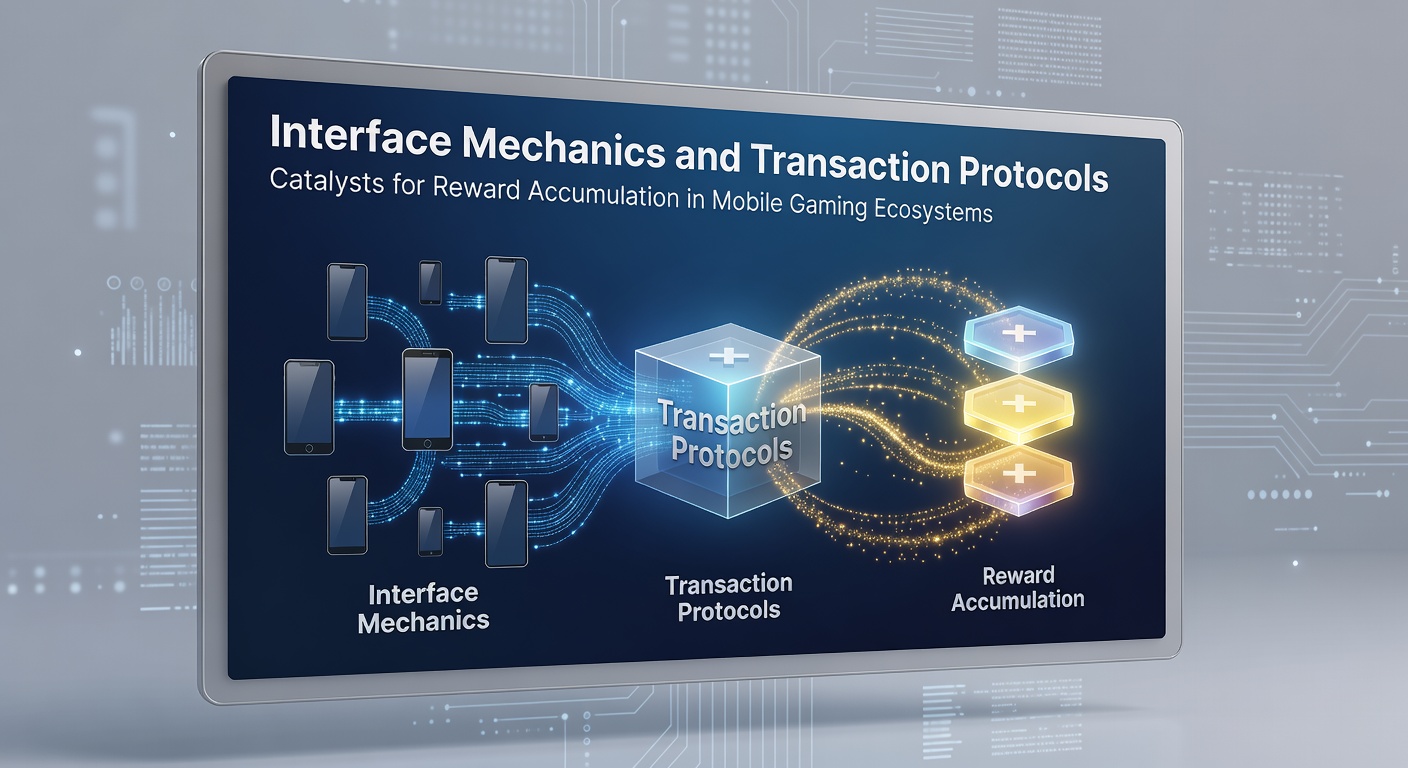
Interface elements and transaction layers intersect at reward claim screens where users select conversion options and confirm via biometric prompts. Games that embed one-tap purchase flows within the same view as progress trackers enable seamless upgrades from free rewards to premium tiers without leaving the main lobby. Studies conducted at the University of Southern California’s Game Innovation Lab found that titles using persistent transaction states retained more active users through multi-week events because players could resume accumulation exactly where they left off after interruptions.
Cross-game reward portability represents another emerging pattern, as protocols now support unified accounts that carry points between titles from the same publisher. This setup allows interface notifications to alert players when accumulated balances reach thresholds for larger prizes, driving repeat logins. Data collected through 2026 demonstrates measurable increases in average session length when transaction confirmations complete within two seconds of user initiation.
Regional Regulatory Influences on Protocol Standards
Regulatory frameworks in the European Union and Canada shape how transaction protocols must handle data privacy during reward processing, requiring explicit consent flows built directly into interface screens. These requirements have prompted developers to display clear summaries of point values and conversion rates before any exchange occurs. Government agencies in those regions report that transparent protocol designs correlate with higher user trust metrics, which in turn supports sustained engagement with reward programs over longer periods.
Platform-level changes from operating system providers further standardize authentication methods, ensuring that biometric or passcode verifications integrate smoothly with game interfaces. As of May 2026 these alignments have reduced friction points that previously interrupted reward accumulation during peak traffic hours.
Conclusion
Interface mechanics and transaction protocols function as interconnected systems that facilitate continuous reward accumulation by minimizing navigation steps and securing data exchanges. Continued refinement of these components through 2026 supports broader accessibility across devices and regions, enabling players to convert effort into tangible outcomes without technical barriers. Ongoing developments in synchronization and consent mechanisms maintain the operational integrity of mobile gaming ecosystems while meeting diverse regulatory expectations.