Incentive Transitions in Portable Gaming: Mapping Entry Perks to Loyalty Benefits Along Payment Pathways
Willa Sullivan · Aug 3, 2026
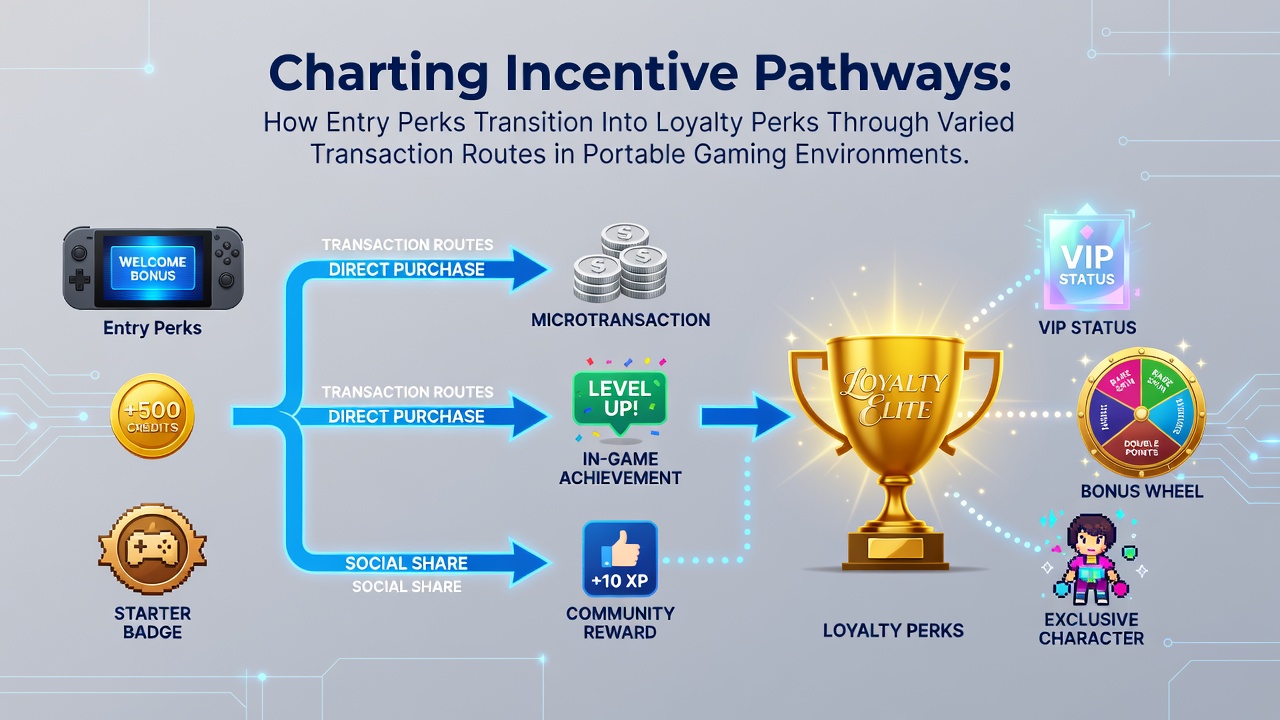
Incentive Transitions in Portable Gaming: Mapping Entry Perks to Loyalty Benefits Along Payment Pathways
Portable gaming environments have developed structured systems where initial entry perks activate through specific deposit actions, and these same actions create records that feed into loyalty frameworks over repeated cycles, according to industry analyses from multiple regions. Players encounter welcome offers tied directly to their first transactions, while continued use of varied payment routes such as e-wallets, bank transfers, and card methods builds cumulative data that shifts participants toward tiered rewards. Research from the Australian Communications and Media Authority indicates transaction diversity correlates with faster progression rates in mobile platforms, and this pattern holds across markets where operators track deposit frequency alongside game engagement metrics.
Entry Perks Activation Through Initial Routes
Entry perks typically require a qualifying transaction within the first session, and operators link these offers to payment method categories that determine bonus size or wagering conditions while recording user data for future segmentation. Mobile apps display these options prominently in lobby sections, and users select routes that range from instant card payments to slower bank verifications, each carrying distinct processing timelines that influence when perks become available. Data compiled by the Nevada Gaming Control Board shows that platforms offering multiple entry routes experience higher initial conversion rates, and analysts note the information gathered during these steps forms the baseline profile used later for loyalty assignments.
Transaction Diversity and Record Building
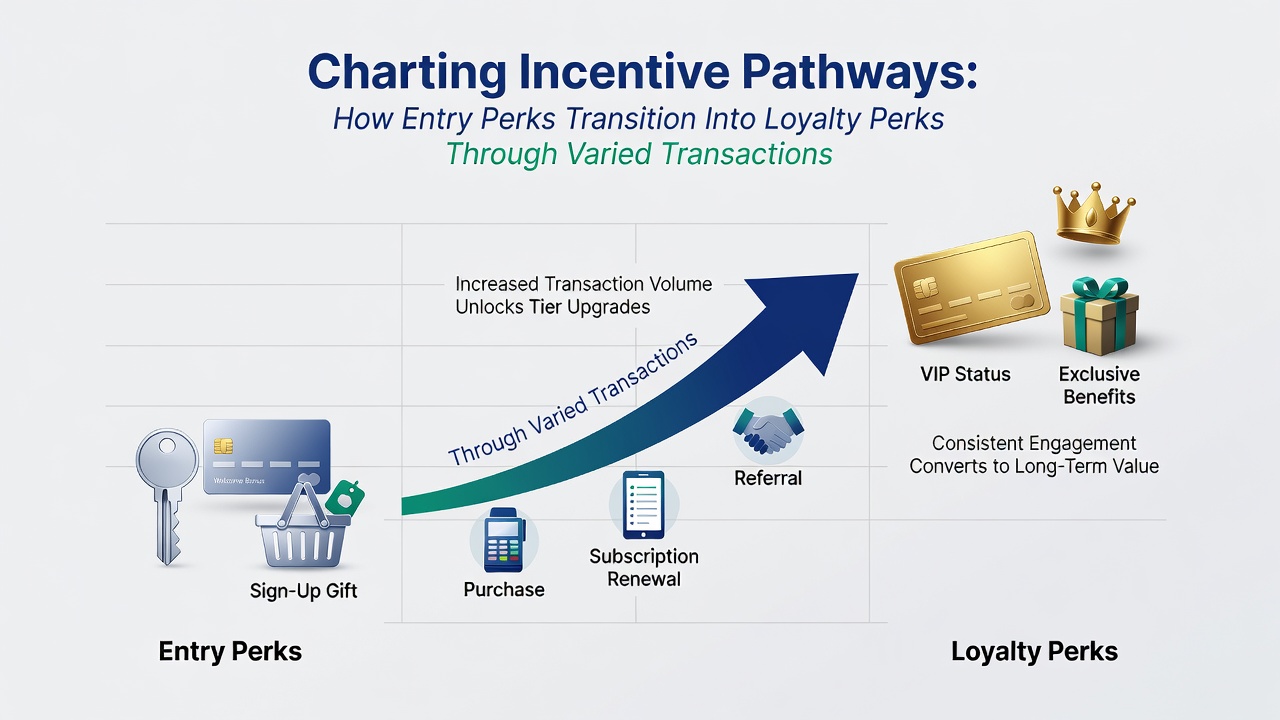
Varied transaction routes generate distinct data points because different methods carry unique identifiers, fee structures, and verification layers that operators monitor for compliance and engagement tracking. When players alternate between routes, such as combining digital wallets with direct bank links, the accumulated activity logs create patterns that loyalty algorithms reference for tier advancement. Observers at the Canadian Gaming Association have documented cases where mobile users who diversify payment channels reach loyalty thresholds sooner than those relying on single methods, and this occurs because systems assign value to route variety as an indicator of sustained participation. In August 2026, updated platform analytics revealed that multi-route users accounted for a measurable share of loyalty program entries across major mobile titles.
Progression Mechanisms from Perks to Loyalty
Transition occurs when entry perk activity meets predefined thresholds that loyalty programs recognize, and operators automate this shift by matching transaction histories against tier criteria without requiring separate applications. Points systems convert deposit values and route consistency into redeemable credits or status elevations, while bonus funds from initial offers contribute to play volume that accelerates the process. Studies conducted at the University of Nevada, Las Vegas gaming research center demonstrate that clear mapping between entry transactions and loyalty metrics reduces user drop-off during the shift, and the same research highlights how mobile interfaces present progress bars that update in real time after each verified payment. Those who maintain consistent route usage often see automated notifications confirming tier movement within established timeframes.
Platform Examples and Route Variations
One documented pattern involves users starting with a card-based deposit to unlock an entry bonus, then switching to an e-wallet for subsequent transactions that accumulate loyalty points at accelerated rates. Another route combination features bank transfers for larger entries that satisfy higher wagering requirements, followed by smaller mobile payment methods that maintain activity streaks without additional verification steps. European Betting and Gaming Association reports note that platforms supporting these combinations report steadier retention across loyalty tiers, and the data underscores how route flexibility accommodates different regional banking preferences while feeding unified tracking systems.
Conclusion
Transaction routes serve as the connective tissue between entry perks and loyalty structures in portable gaming environments, and continued diversification of payment methods sustains the data flow that enables automatic progression. Regulatory bodies and research institutions across North America, Europe, and Australia continue to monitor these systems for transparency, while platform updates scheduled through 2026 aim to refine the visibility of pathway milestones for participants.