15 Jul 2026
Global Oversight Patterns Directing Reward Structures on Portable Devices and Shared Play Surfaces
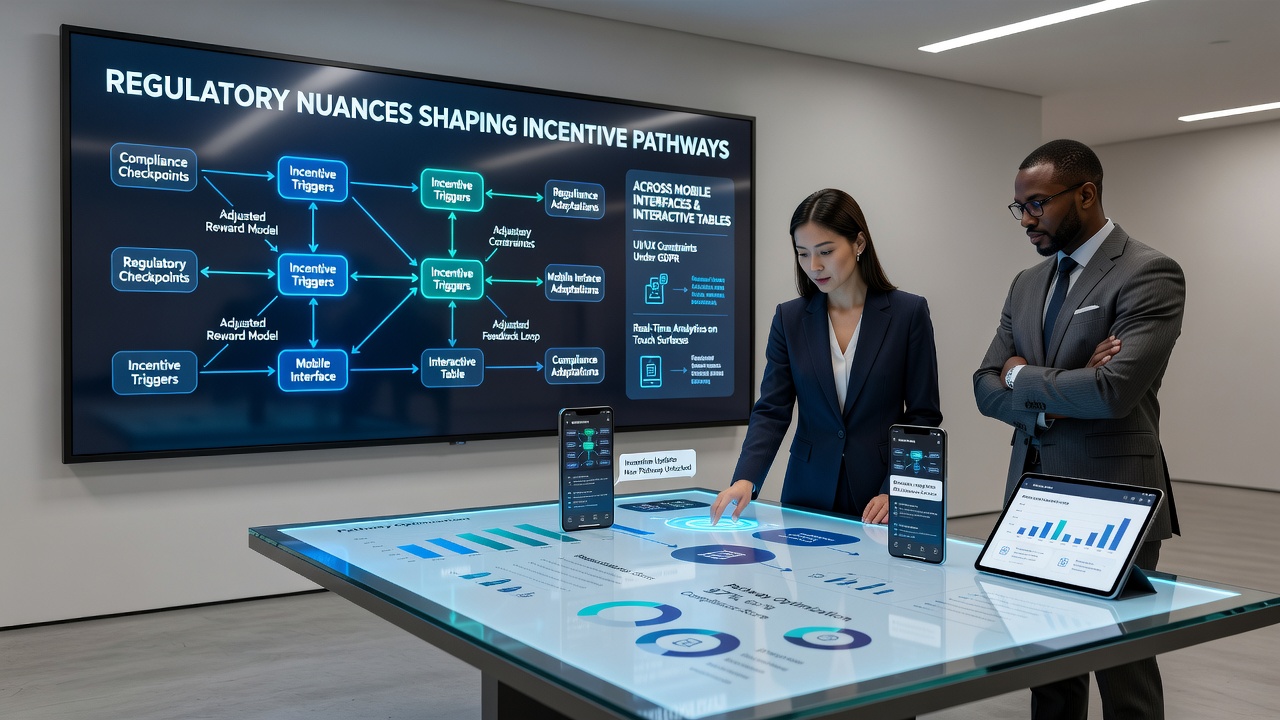
Regulatory frameworks continue to evolve in ways that directly influence how operators structure incentives across mobile platforms and interactive tables, with changes unfolding through 2026 as jurisdictions refine their approaches to digital and live gaming environments. Data from industry reports indicate that these rules affect everything from bonus eligibility criteria to the timing of promotional releases, forcing developers to adapt user interfaces accordingly.
One key development involves location-based verification protocols that determine whether certain incentives can activate on mobile devices, whereas interactive tables often face separate licensing conditions tied to physical venue operations. Researchers at various academic institutions have documented how these distinctions create layered compliance requirements that operators must navigate simultaneously.
Cross-Border Rule Variations and Their Effects
Authorities in multiple regions have introduced updated guidelines that reshape incentive delivery methods, with the European Commission issuing directives on consumer protection measures that extend to mobile app functionalities. These measures require clear disclosure of wagering requirements before any promotional path activates, and similar standards appear in Australian state regulations where interactive table offerings must align with venue-specific licensing terms.
What's notable is how these overlapping rules affect the sequencing of rewards, since mobile interfaces allow instant access while table environments depend on synchronized dealer systems. Observers note that operators increasingly rely on modular software designs to accommodate both sets of requirements without disrupting user flows.
Technical Adaptations in Mobile and Table Systems
Software providers have responded by embedding compliance checkpoints directly into application code, ensuring that incentive pathways pause or redirect when regulatory conditions shift. Studies from research bodies such as the University of Nevada's gaming management program reveal that these embedded controls reduce violations by integrating real-time data checks during gameplay transitions between mobile sessions and table interactions.
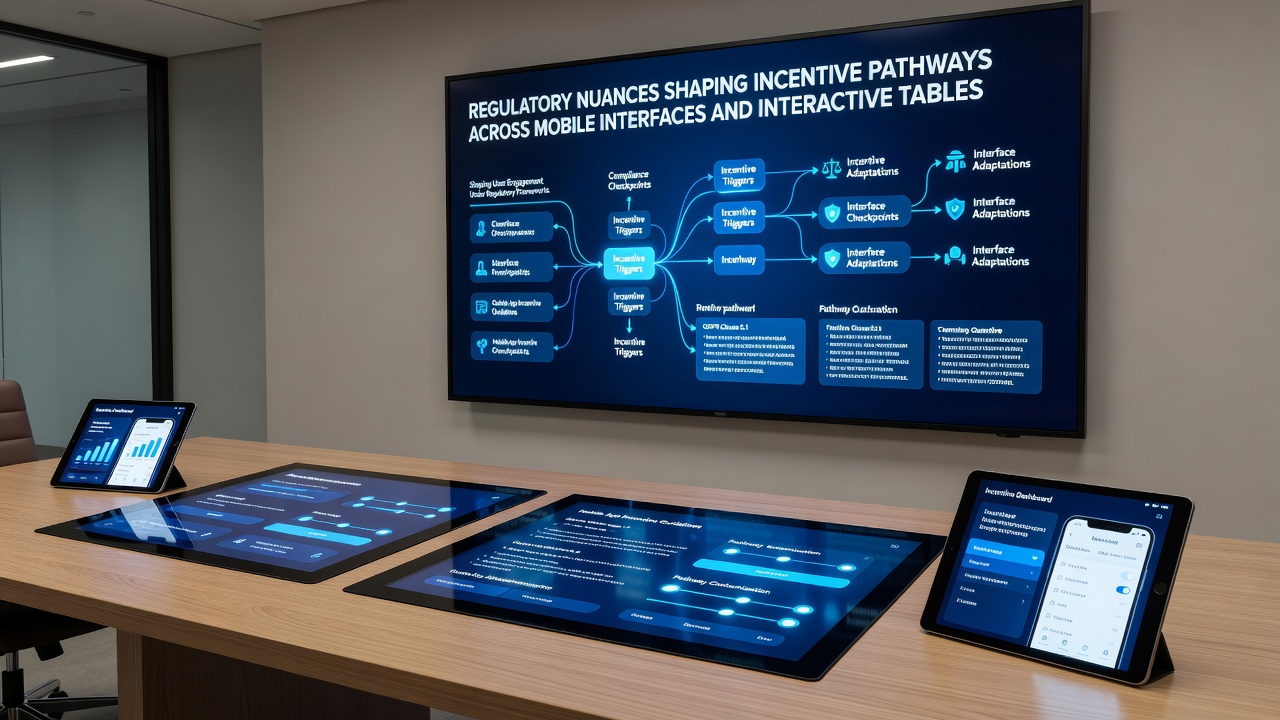
Payment processing modules also reflect these nuances, as certain jurisdictions mandate separate audit trails for funds linked to promotional offers versus standard deposits. In July 2026 several Canadian provincial regulators are scheduled to implement enhanced reporting standards that will require operators to flag incentive-related transactions across both mobile and table channels within unified dashboards.
Industry Responses and Operational Adjustments
Trade associations including the American Gaming Association have compiled case examples showing how operators adjust VIP tier progressions to match varying regulatory thresholds. These adjustments often involve segmented loyalty programs that treat mobile activity and table play under distinct calculation methods, thereby satisfying regional oversight bodies while maintaining consistent player experiences.
Take one operator who restructured its bonus activation sequences after new rules took effect in multiple markets, resulting in automated alerts that guide users through verification steps before rewards unlock. Such modifications illustrate the practical outcomes when regulatory details intersect with interface design choices.
Future Developments and Monitoring Trends
Continued monitoring by international bodies suggests additional refinements will emerge as mobile technology advances and interactive tables incorporate more digital elements. Evidence from ongoing reports points to increased emphasis on transparency tools that display incentive terms in real time, regardless of whether users access content through handheld devices or physical table stations.
Conclusion
Regulatory nuances continue to shape incentive pathways by establishing boundaries that operators must respect across mobile interfaces and interactive tables, with adaptations driven by jurisdiction-specific requirements and technological capabilities. The patterns observed through mid-2026 demonstrate how compliance integrates into everyday system operations rather than remaining a separate layer.