Digital Realm Connections: Linking Navigation Systems to Promotional Triggers and Recognition Features in Portable Platforms
Dana Lorenz · Aug 1, 2026
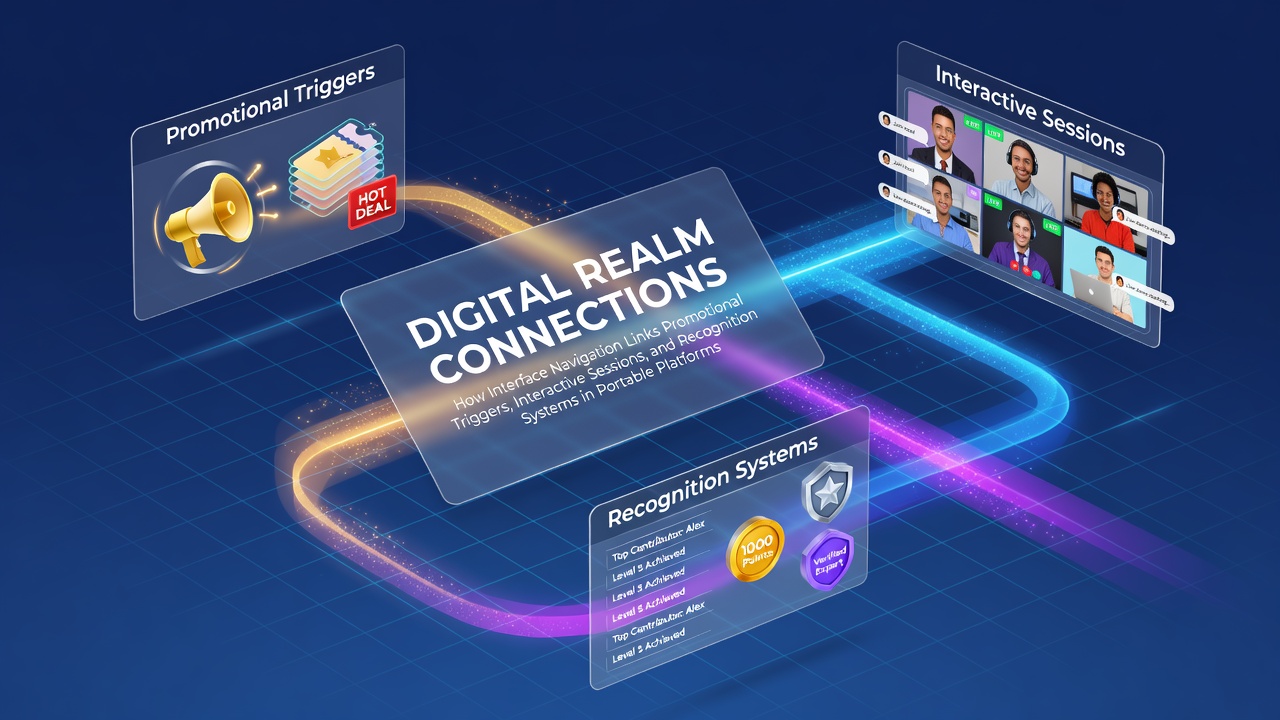
Digital Realm Connections: Linking Navigation Systems to Promotional Triggers and Recognition Features in Portable Platforms
Portable platforms integrate interface navigation with promotional triggers, interactive sessions, and recognition systems through structured design elements that guide users across digital environments, and data from industry reports indicates these connections have strengthened considerably by August 2026.
Navigation structures in mobile applications function as pathways that activate promotional elements when users reach specific screens or complete certain actions, while interactive sessions maintain engagement through real-time feedback loops, and recognition systems track participation to deliver tiered rewards based on accumulated activity.
Interface Navigation as the Central Mechanism
Designers arrange menus, buttons, and swipe gestures to create logical flows that direct attention toward promotional offers, yet these same pathways simultaneously support ongoing gameplay by minimizing disruptions during active sessions. Studies from academic sources show that streamlined navigation reduces user drop-off rates during transitions between promotional displays and game interfaces.
Recognition systems rely on data collected through these navigation patterns, so each tap or scroll contributes to user profiles that determine eligibility for personalized incentives, and platforms update these profiles continuously to reflect session duration and frequency.
Promotional Triggers Activated Through Navigation
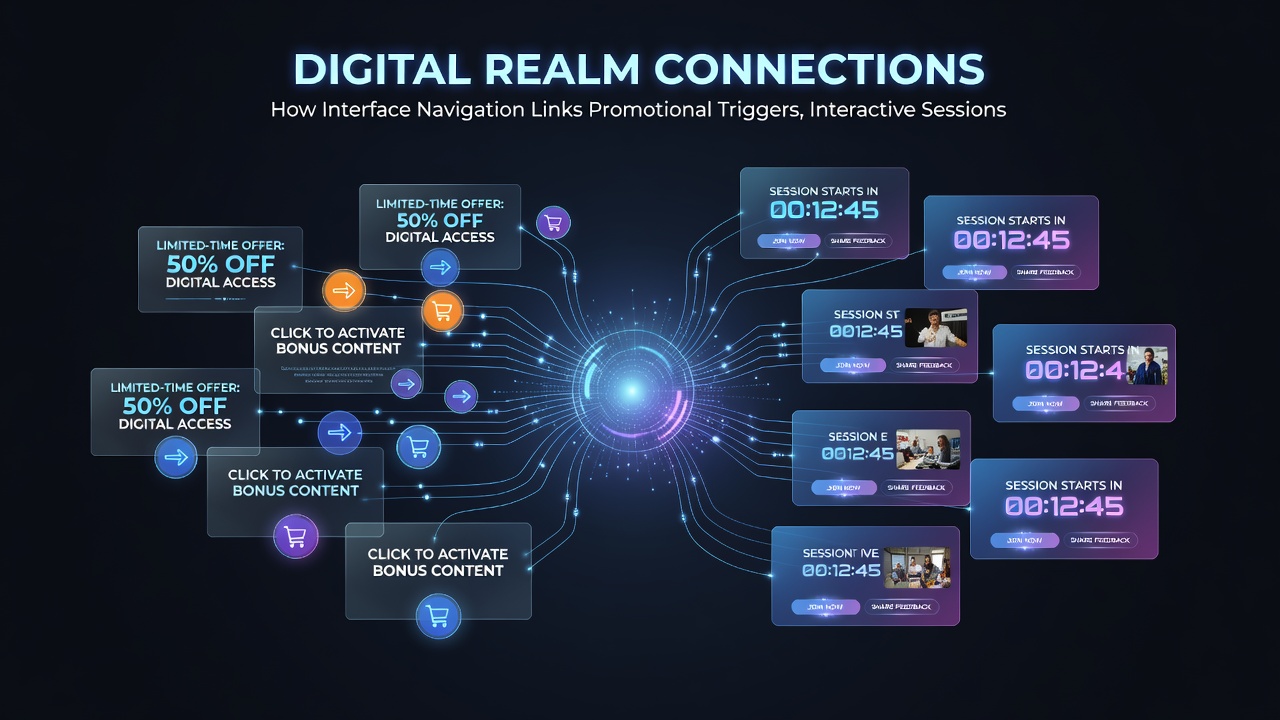
Promotional triggers activate when navigation paths lead users to designated areas such as lobby sections or account dashboards, and these triggers often include time-limited offers that appear based on prior session data. According to research published by the University of Nevada Gaming Research Center, targeted placement of promotional elements within navigation flows increases interaction rates by measurable margins across tested applications.
Interactive sessions benefit when promotions integrate directly into gameplay sequences rather than interrupting them, so users encounter bonus opportunities while already engaged, which maintains momentum and connects the promotional layer to the core activity without requiring separate navigation steps.
Recognition Systems and Their Data Inputs
Recognition systems compile information from navigation history and session metrics to assign status levels, and these levels unlock additional features that appear in the same interface areas users already frequent. Reports from the Australian Communications and Media Authority highlight how consistent tracking across portable devices supports accurate reward distribution in regulated markets.
Users move between sections via consistent navigation cues that reinforce familiarity, whereas recognition updates display immediately after qualifying actions to provide visible confirmation of progress, and this immediate feedback loop encourages continued participation in both promotional and interactive elements.
Integration Across Portable Platforms
Portable platforms synchronize these components through backend systems that process navigation events in real time, so promotional triggers respond to current session states while recognition systems adjust rewards based on cumulative patterns rather than isolated actions. Observers note that this synchronization has become standard in applications handling high volumes of concurrent users by August 2026.
Interactive sessions gain stability when navigation elements remain accessible without exiting the active view, and recognition notifications overlay these sessions at appropriate intervals to avoid interference with core gameplay mechanics.
Conclusion
Digital connections in portable platforms depend on precise alignment between navigation structures, promotional triggers, interactive sessions, and recognition systems, with evidence from regulatory and academic sources confirming that coordinated design supports sustained user movement through these linked components. Data continues to track how these integrations evolve across different device types and market regions.