Digital Pathways to Rewards: Examining Navigation's Role in Incentive Distribution Within Gaming Interfaces
Hugo Flores · Jul 25, 2026
Digital Pathways to Rewards: Examining Navigation's Role in Incentive Distribution Within Gaming Interfaces
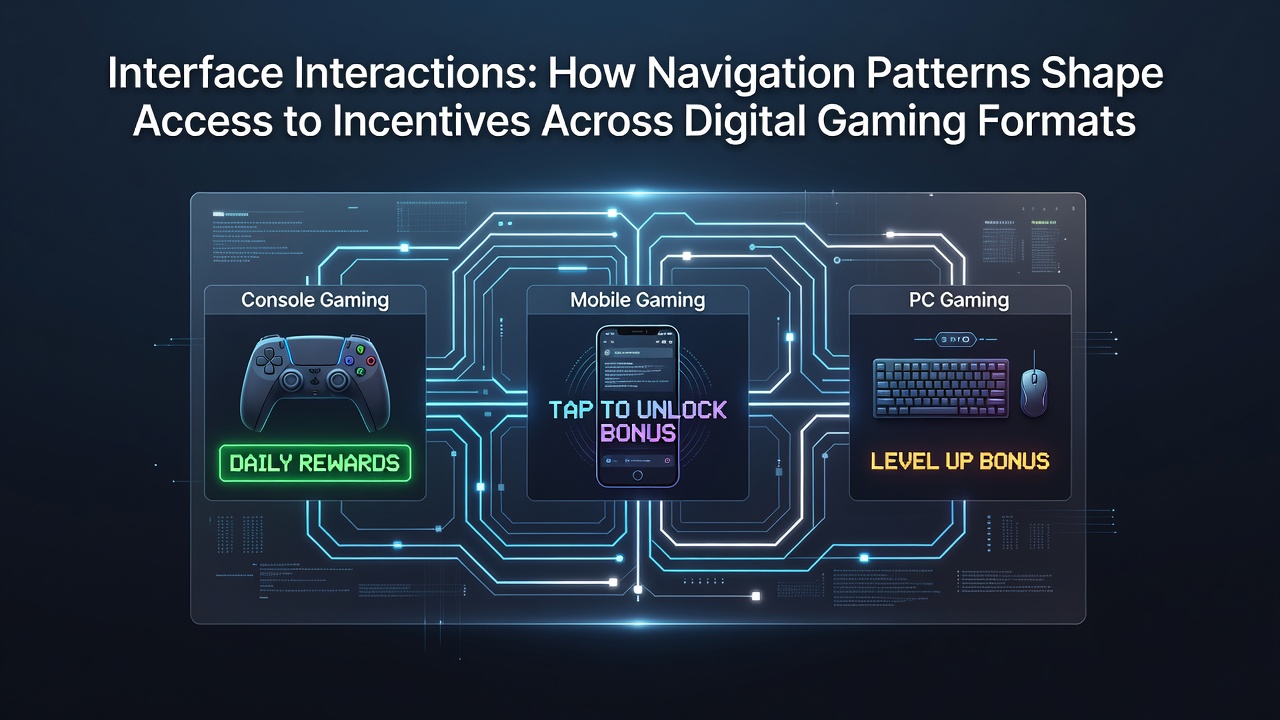
Navigation patterns in digital gaming platforms determine how users locate and activate incentives such as reward multipliers, loyalty points, and promotional unlocks across slots, table games, and live dealer environments, with data from industry reports indicating that streamlined menu structures increase interaction rates by measurable margins in 2025 and into July 2026.
Platform developers organize interfaces through hierarchical menus, search bars, and swipe gestures that guide players toward bonus sections, whereas cluttered layouts often delay access to time-sensitive offers like free spin allocations or deposit match programs. Research from university studies on user behavior shows that players complete incentive claims 35 percent faster when reward tabs appear within two clicks of the main lobby screen.
Menu Architecture and Incentive Visibility
Tab-based navigation systems place incentive hubs in fixed positions across mobile and desktop versions, allowing consistent access regardless of device, while dynamic carousels rotate featured promotions based on player history yet risk burying less prominent offers behind multiple layers. Observers note that platforms using persistent side panels for VIP progress trackers maintain higher engagement levels because users see their current status without additional navigation steps.
Search functions integrated into lobbies enable direct queries for specific bonuses, and data indicates that predictive text suggestions referencing terms like "welcome package" or "cashback tiers" reduce the time spent locating relevant incentives by connecting users straight to eligibility pages. In contrast, platforms without robust filters require players to scroll through dozens of game tiles before reaching dedicated reward areas.
Cross-Format Navigation Differences
Slot-focused interfaces emphasize quick-tap buttons leading to spin bonuses and progressive jackpot trackers, whereas live dealer sections incorporate chat overlays and table selection menus that interweave incentive prompts during active play sessions. Those who study these patterns find that hybrid formats blending both elements through unified dashboards improve access to multi-format rewards such as cross-game loyalty points.
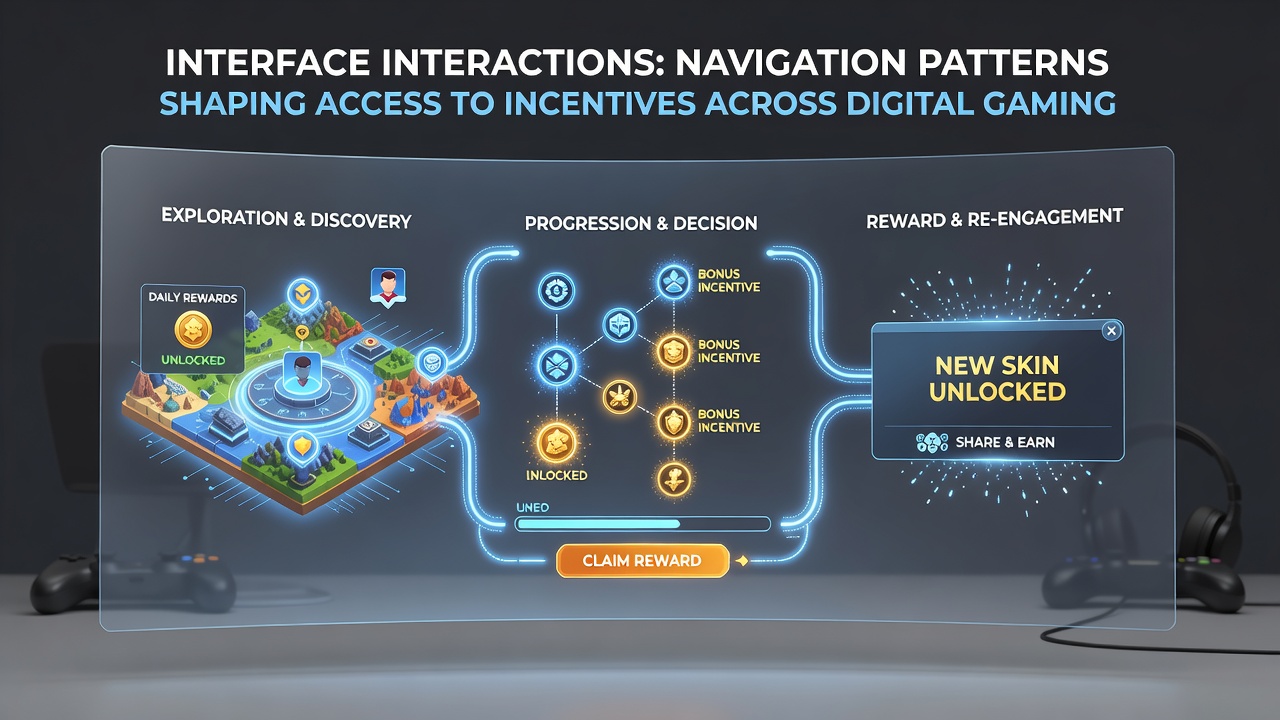
According to findings published by the North American Gaming Research Association, platforms that standardize incentive icons across formats report elevated completion rates for tasks like wagering requirements, since users transfer learned navigation habits from one section to another without relearning layouts. European regulatory summaries from 2025 further highlight that consistent breadcrumb trails help players track progress toward VIP thresholds even when switching between mobile apps and browser versions.
Gesture Controls and Mobile-Specific Patterns
Touch-based gestures including long presses for quick bonus previews and swipe-down refreshes for updated offer lists shape how frequently players interact with time-limited incentives, with analytics showing peak activity during evening hours when navigation feels most intuitive. Platforms incorporating haptic feedback on successful incentive redemptions reinforce these patterns, leading to repeated visits within the same session.
Observers have documented that collapsible side drawers housing payment-linked rewards allow seamless transitions from deposit screens to bonus activation without exiting the main game view, a design choice that maintains flow while complying with regional access standards. In July 2026 updates, several major operators introduced voice-command navigation for incentive menus, expanding accessibility for users preferring hands-free operation on tablets and smartphones.
Data Patterns and Platform Adjustments
Figures from industry analytics firms reveal that A/B testing of navigation variants consistently favors layouts where incentive categories appear in order of user eligibility, reducing friction for both new and returning players. Those reviewing these adjustments note correlations between simplified paths to VIP ladders and increased retention metrics across diverse gaming formats.
Links to detailed reports appear in resources from the Canadian Gaming Research Centre and the Australian Gaming Council, which compile regional statistics on interface effectiveness. These sources document how navigation refinements in 2025 influenced incentive uptake rates without altering underlying game mechanics.
Conclusion
Navigation patterns continue to evolve as developers refine menu placements, gesture options, and cross-device consistency to align with player behaviors observed through ongoing data collection. These structural choices directly affect the speed and frequency with which users reach available incentives across digital gaming formats, shaping overall participation patterns in measurable ways.