Digital Interfaces and User Journeys: Menu Structures and Terms Shaping Mobile Progression Dynamics
Jordan Jenkins · Jun 10, 2026
Digital Interfaces and User Journeys: Menu Structures and Terms Shaping Mobile Progression Dynamics
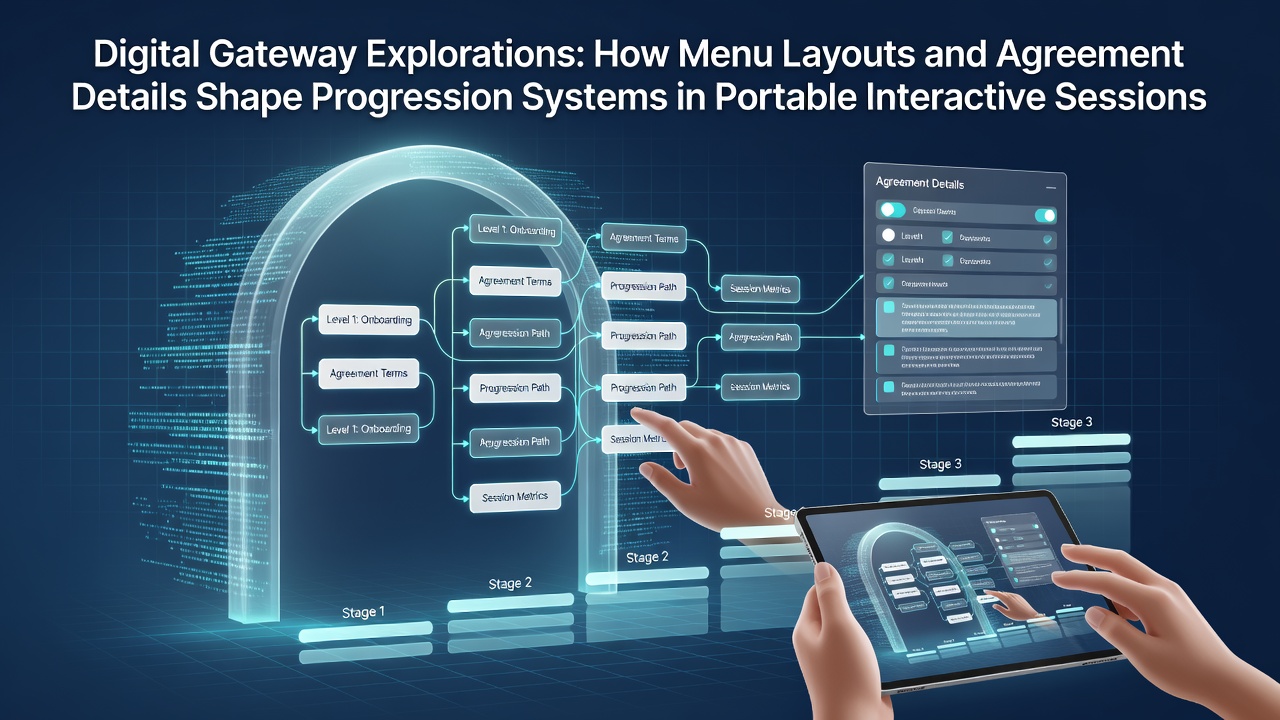
Menu layouts in portable interactive sessions determine how users move through digital environments, with hierarchical structures guiding access to features while linear designs streamline direct paths toward advancement goals. Data from industry reports indicate that organized navigation reduces friction in progression systems, allowing users to unlock levels or rewards more efficiently across gaming and utility applications alike.
Layout Patterns That Drive User Advancement
Designers often employ tabbed interfaces or expandable side panels that consolidate options without overwhelming screens on handheld devices, and this approach connects directly to how quickly participants reach milestones in session-based activities. Observers note that compact grids with clear icons enable faster selection of core functions, whereas cluttered arrangements slow decision-making and extend the time needed to complete objectives.
Research from academic sources highlights correlations between visual hierarchy and retention rates, where prominent placement of progression trackers encourages continued engagement. Those who've studied mobile ecosystems find that swipe gestures integrated into layouts facilitate seamless transitions between stages, reducing drop-off points that appear when users encounter dead ends or hidden menus.
Agreement Details and Their Role in System Access
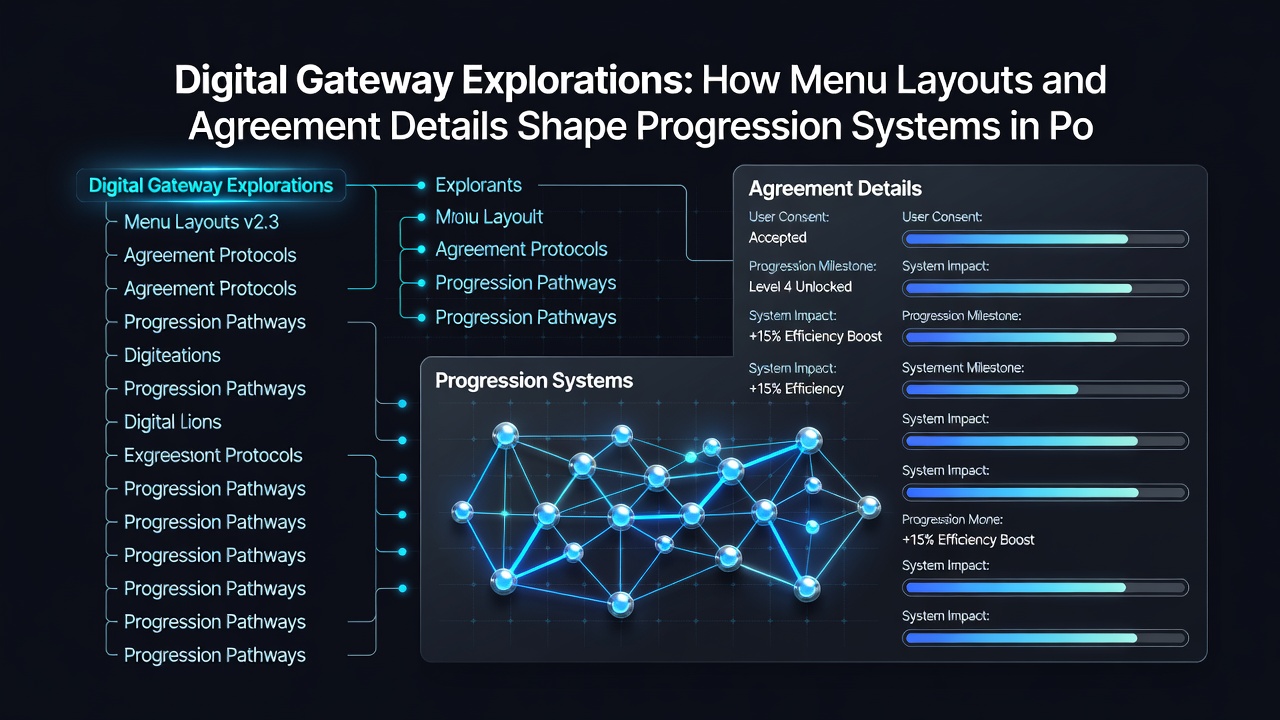
Contractual clauses embedded in user agreements outline eligibility criteria for advancing through levels or claiming session rewards, with specific language on participation limits shaping what remains achievable within portable environments. Figures from regulatory analyses reveal that transparent disclosures about data usage and feature restrictions help users plan their paths more effectively, while vague provisions can create unintended barriers.
According to a study published by the University of Nevada's International Gaming Institute, precise terms around session durations and eligibility requirements influence completion rates in interactive platforms, and this holds particular weight in regions like Canada where oversight from provincial bodies emphasizes clear communication. Experts have observed that updates to these details, scheduled for broader implementation in June 2026, aim to standardize disclosures across apps and thereby support more predictable progression flows.
One case where analysts examined popular session apps showed that agreements specifying reward calculation methods led to higher user satisfaction when those formulas aligned with actual outcomes. Researchers discovered that integration of agreement summaries into initial onboarding screens correlates with fewer interruptions during active sessions, allowing participants to focus on navigation rather than compliance checks.
Regional Regulatory Influences on Design Choices
Government agencies across different jurisdictions set parameters that affect both layout standards and agreement content, with the Australian Communications and Media Authority issuing guidelines that encourage intuitive menu designs to promote fair access in digital services. These directives connect with broader efforts to align interface elements with legal requirements, ensuring that progression mechanics do not conflict with consumer protections outlined in service contracts.
Industry organizations such as the European Gaming and Betting Association have compiled data showing that standardized menu elements across platforms improve cross-device consistency, and this consistency extends to how agreement updates propagate through user accounts without disrupting ongoing sessions. What's interesting is how these standards interact with technical constraints on smaller screens, where space limitations force prioritization of key progression indicators over secondary options.
Further evidence from trade reports indicates that apps incorporating collapsible agreement sections within menus experience better compliance metrics, since users encounter relevant details at decision points rather than in separate documents. This integration reduces the cognitive load during interactive sequences and supports steady advancement through layered systems.
Technical Integration of Navigation and Contract Elements
Developers combine menu algorithms with backend checks that reference agreement terms in real time, validating user eligibility before granting access to advanced stages in portable sessions. Such systems rely on dynamic loading of clauses that update based on location or account status, creating fluid experiences where progression hinges on both layout efficiency and contractual alignment.
Those who've analyzed app performance metrics note that A/B testing of menu variants often reveals preferences for progressive disclosure models, where initial screens present core options and deeper layers reveal agreement-backed features. This method allows sessions to scale in complexity without overwhelming new participants, while still providing pathways for experienced users seeking specialized rewards.
Conclusion
Menu layouts and agreement details together form the backbone of progression systems in portable interactive sessions, with each element reinforcing the other to guide users through structured digital pathways. Continued refinements in design practices and regulatory frameworks, including those projected for June 2026, point toward more integrated approaches that maintain clarity across devices and regions. Observers continue to track how these factors evolve alongside technological shifts, providing data that informs future iterations in mobile environments.