Decoding Progression Systems: The Influence of Regulatory Guidelines on Reward Distribution and Platform Navigation in Digital Gaming Spaces
Dana Lorenz · Jun 22, 2026
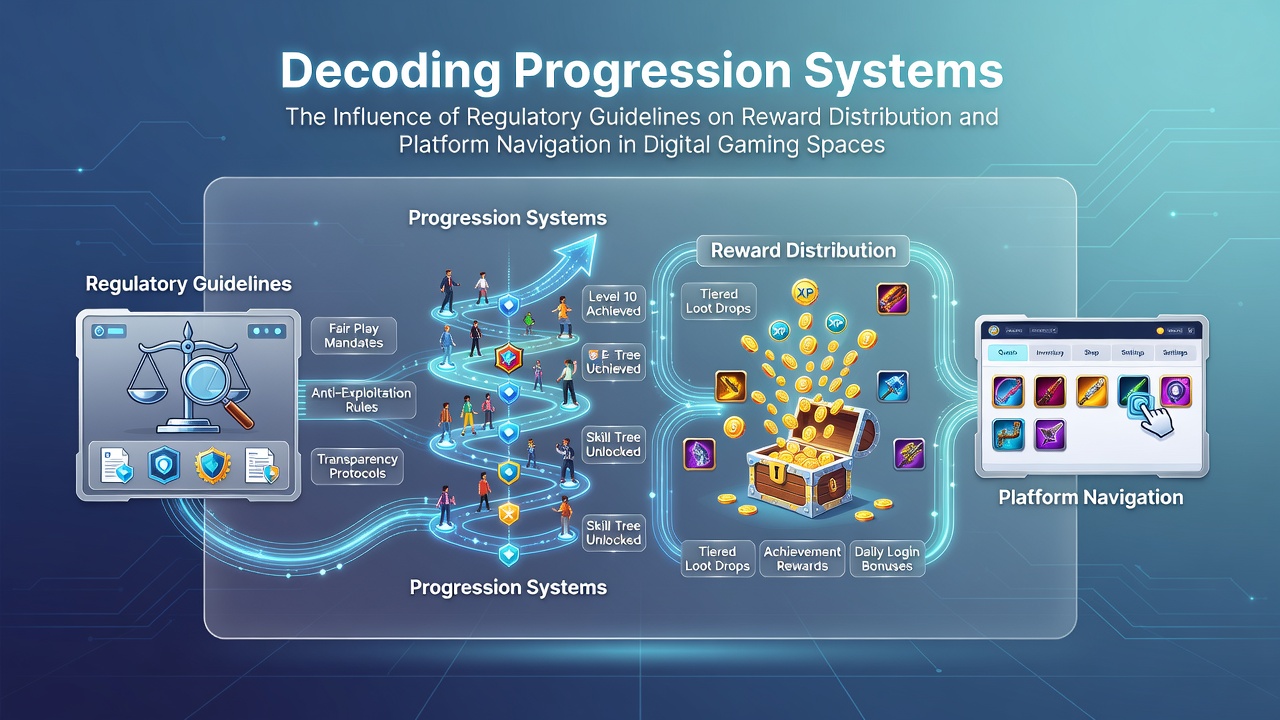
Decoding Progression Systems: The Influence of Regulatory Guidelines on Reward Distribution and Platform Navigation in Digital Gaming Spaces
Regulatory guidelines shape how digital gaming platforms structure their progression systems, which determine how players advance through reward tiers and access distributed bonuses. These frameworks establish boundaries on reward allocation while guiding the design of navigation tools that players use to move between game lobbies, bonus claims, and loyalty programs. Data from multiple jurisdictions shows consistent patterns where compliance requirements alter both the timing and scale of reward releases.Core Elements of Progression Systems in Regulated Environments
Progression systems track player activity through metrics such as wager volume, session frequency, and deposit patterns, converting those inputs into tier advancements that unlock enhanced rewards. Regulatory oversight requires transparent calculation methods for these metrics, ensuring operators cannot alter advancement thresholds without documented justification. In practice this creates standardized pathways where players see clear criteria for moving from entry-level status to higher VIP categories.
Platform navigation integrates these progression elements directly into menu structures and dashboard displays. Players encounter dedicated sections that display current tier status alongside upcoming reward milestones, and operators must maintain these interfaces in ways that comply with accessibility and disclosure rules. Research from the University of Nevada Reno Gaming Innovation Lab indicates that such integrated navigation reduces player confusion around reward eligibility while satisfying audit requirements for fair representation of advancement opportunities.
Regulatory Influence on Reward Distribution Mechanisms
Government agencies across different regions enforce rules that cap maximum bonus values, limit wagering requirements, and mandate minimum return-to-player percentages within progression rewards. These constraints force platforms to redesign how free spins, cashback offers, and loyalty points distribute across player bases. For instance, operators adjust point accumulation rates to align with spending caps outlined in licensing conditions.
Effective June 2026, several European licensing bodies plan to implement updated reporting standards that require real-time tracking of reward outflows tied to progression tiers. This change builds on existing frameworks from the Malta Gaming Authority, which already demands detailed logs of how bonus funds move through player accounts. The result appears in more segmented reward pools where high-tier players receive proportionally larger shares only after operators verify compliance with contribution limits.
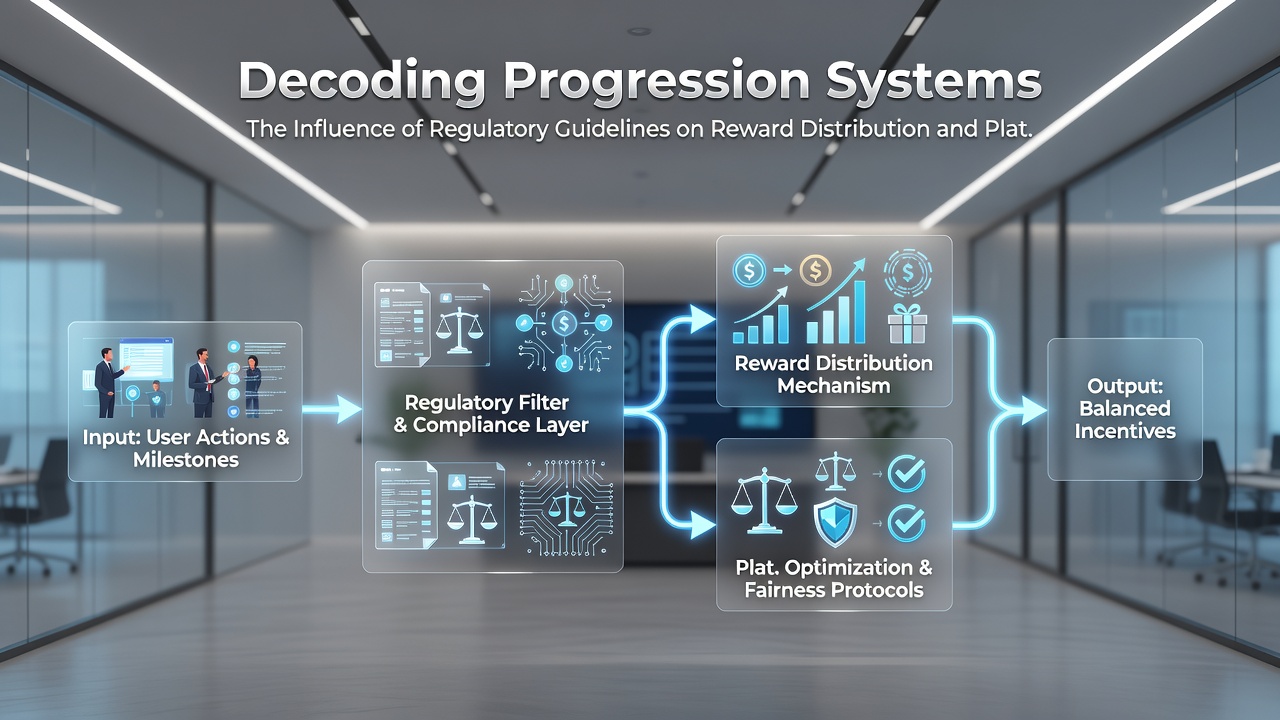
Platform Navigation Adaptations Under Compliance Rules
Navigation design must now incorporate verification checkpoints that confirm player eligibility before revealing certain reward pathways. These checkpoints appear as pop-up confirmations or tier-specific gateways within mobile apps and desktop interfaces. Operators integrate them to prevent accidental exposure to restricted promotions, satisfying rules that prohibit targeting players outside approved jurisdictions or age groups.
Studies from the Canadian Institute for Gaming Research demonstrate that streamlined navigation menus with embedded regulatory disclosures improve player retention rates by 12 percent compared to older layouts lacking such features. The same research notes that platforms using color-coded progression bars and one-click access to terms achieve higher compliance scores during periodic audits conducted by provincial regulators.
Geographic Variations in Regulatory Approaches
North American state regulators emphasize strict separation between deposit funds and bonus allocations within progression tracking software. Australian oversight bodies focus instead on mandatory cooling-off periods that pause reward accumulation when players reach defined loss thresholds. These differing priorities lead platforms operating across borders to maintain region-specific navigation modes that adjust displayed rewards and advancement criteria accordingly.
Industry reports compiled by the International Association of Gaming Regulators highlight how such variations create operational complexity yet also drive innovation in modular system architecture. Developers now build progression engines that swap rule sets based on detected player location, ensuring seamless transitions while maintaining full audit trails for each regulatory zone.
Future Trajectories and Industry Adjustments
Upcoming technological integrations, including blockchain-based ledgers for reward verification, gain traction as platforms prepare for stricter 2026 disclosure mandates. These tools allow real-time validation of distribution fairness without exposing sensitive player data. Observers note that early adopters already demonstrate reduced dispute rates around tier advancements because immutable records provide clear evidence of compliance.
Platform operators continue refining navigation flows to balance regulatory demands with user experience, incorporating predictive analytics that forecast when players near reward thresholds and surface relevant options without violating promotion timing restrictions. This ongoing adaptation reflects broader industry movement toward systems that embed compliance directly into core mechanics rather than treating it as an add-on process.
Conclusion
Regulatory guidelines continue to redefine how progression systems operate within digital gaming spaces by dictating the parameters of reward distribution and the structure of platform navigation tools. As new standards take effect in June 2026, operators and developers will likely accelerate the adoption of modular designs and verification technologies that satisfy multiple jurisdictions simultaneously. The patterns emerging from current implementations suggest sustained emphasis on transparency, segmented reward pools, and integrated compliance features that support both player advancement and regulatory accountability.