13 Jul 2026
App Dynamics Decoded: Transaction Flows Powering Bonuses and High-Stakes Live Tables

Platform operators in app-based gaming environments integrate transaction systems directly with bonus allocation engines and high-stakes table modules, creating seamless pathways that move funds from deposit confirmation into reward triggers and live dealer sessions. Data from the New Jersey Division of Gaming Enforcement shows mobile transaction volumes rose sharply through 2025, with instant payment rails enabling real-time bonus unlocks that feed into blackjack, roulette, and baccarat tables carrying elevated minimum stakes.
Payment processors handle multiple rails including digital wallets, bank transfers, and card networks, each carrying distinct settlement speeds that determine when bonus credits activate. Faster rails such as instant bank pushes allow players to qualify for deposit-match offers within seconds, whereas batch-processed methods delay eligibility windows and affect access to high-limit tables that require verified balances. Observers note that these timing differences shape session flow because bonus funds often carry wagering requirements that must clear before withdrawal, yet they remain usable on premium tables once credited.
Transaction Mechanics and Bonus Activation Sequences
Backend ledgers record every deposit as a tagged event that feeds into rule engines governing bonus release, and developers configure these engines to recognize specific payment types or thresholds that unlock tiered rewards. One documented pattern shows that deposits above certain thresholds automatically trigger loyalty points that convert into table-game credits, allowing players to enter private rooms with higher buy-ins. Research published by the University of Nevada, Reno Gaming Innovation Lab indicates that such automated linkages reduce friction between funding and play, increasing average session length across monitored apps.
Security protocols embed verification steps inside the transaction flow, requiring identity checks or device authentication before bonus codes apply. These steps protect against multiple-account abuse while ensuring that high-stakes table access remains restricted to accounts with cleared funds and completed know-your-customer procedures. July 2026 updates to several major platforms introduced enhanced real-time fraud scoring that pauses suspicious transfers until manual review completes, temporarily blocking both bonus claims and table entry until clearance.
Bonus structures vary by payment method, with some operators offering percentage uplifts exclusively for cryptocurrency deposits or e-wallet transactions. These targeted incentives steer users toward rails that carry lower processing fees for the operator, while simultaneously populating live dealer lobbies with additional funded accounts ready for elevated-stake rounds. Figures released by the European Gaming and Betting Association reveal that apps deploying method-specific bonuses recorded measurable shifts in payment mix, with wallet usage climbing relative to traditional cards.
High-Stakes Table Integration and Funding Pathways
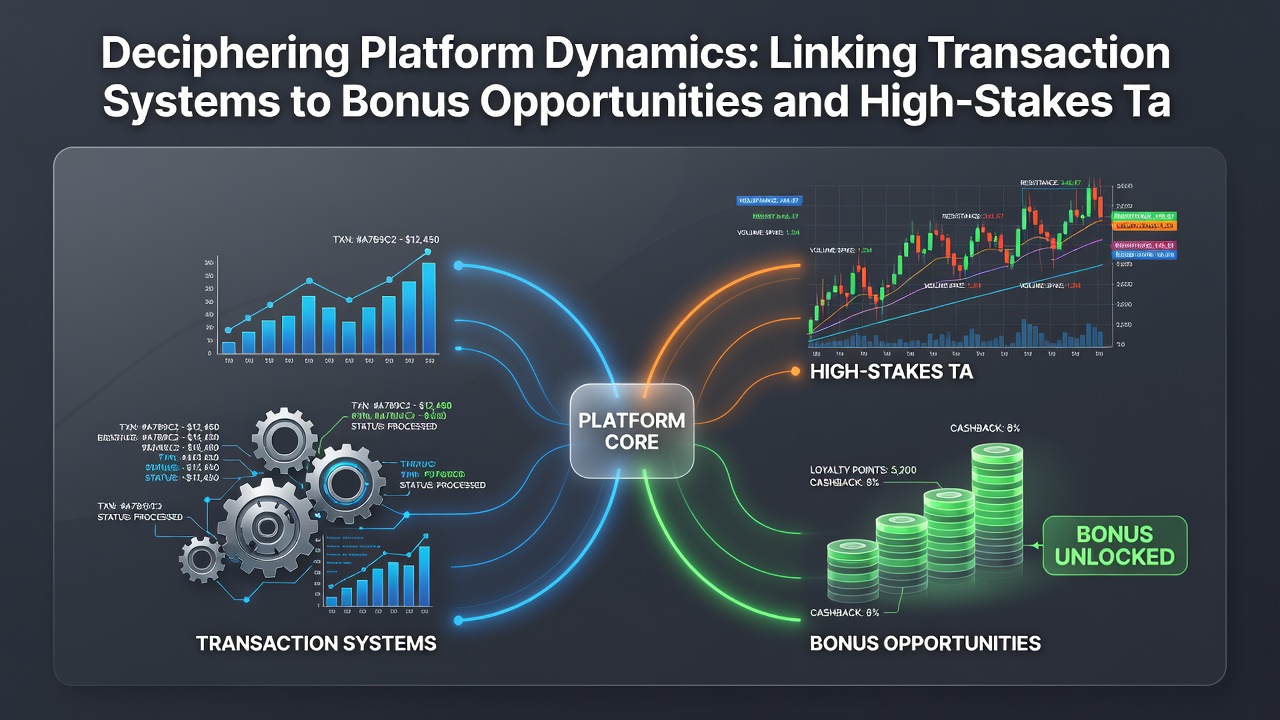
High-stakes table modules connect directly to the same balance ledgers used for bonus tracking, enabling operators to enforce minimum buy-in rules that reference both cash and bonus-derived funds. Players who route deposits through approved channels often receive immediate table credits that satisfy entry criteria without additional transfers. This linkage means a single transaction can simultaneously satisfy deposit requirements for a welcome package and fund a seat at a private roulette table with elevated limits.
Live dealer platforms stream video and handle bets through dedicated servers that poll the central wallet service at sub-second intervals, confirming available balance before each round begins. When bonus funds remain subject to wagering conditions, the system flags them separately yet still permits their use at the table, provided the overall balance meets the stake threshold. Developers maintain audit logs that trace every bet back to its originating transaction, supporting regulatory reporting and dispute resolution.
Regional variations appear in how operators configure these connections. Markets with stricter deposit caps require apps to segment bonus and cash balances more explicitly, preventing players from exceeding local spending limits even when bonus credits remain available. In contrast, jurisdictions allowing higher thresholds permit unified balances that streamline entry into high-stakes environments once the initial funding clears.
Regulatory and Technical Considerations in July 2026
July 2026 saw several platforms roll out enhanced API standards that standardize how transaction status messages pass between payment gateways and gaming engines. These updates reduced latency between deposit confirmation and bonus visibility, while also feeding more granular data into responsible-gaming tools that monitor high-stakes table activity. Compliance teams rely on these improved data streams to generate reports required by oversight bodies across multiple regions.
Testing environments simulate edge cases where partial transaction failures occur mid-flow, verifying that bonus credits do not activate until full settlement and that high-stakes tables reject entries lacking confirmed funds. Such simulations help maintain platform stability when traffic spikes during promotional periods or major sporting events that drive increased mobile engagement.
Conclusion
Transaction systems, bonus engines, and high-stakes table modules operate as interconnected components within app-based environments, with payment timing, verification protocols, and balance segmentation directly influencing access and play dynamics. Documentation from regulatory filings and academic studies continues to map these linkages, providing operators and observers with clearer visibility into how funding pathways shape participation across reward structures and premium gaming tables.